Sex and estrous cycle effects on stress-enhanced fear learning in Long-Evans rats
- Department of Behavioral Neuroscience, Oregon Health & Science University, Portland, Oregon 97239, USA
- Corresponding author: lattalm{at}ohsu.edu
Abstract
Individuals diagnosed with post-traumatic stress disorder (PTSD) are hyperresponsive to otherwise ordinary stimuli (e.g., loud noises or certain smells) long after a traumatic experience. At a preclinical level, this persistent effect of trauma is captured in stress-enhanced fear learning (SEFL), in which a stressful experience in one context causes a persistent increase in fear conditioning with a mild stressor in a second context. Here, we characterized multiple behaviors (including freezing, rearing, darting, and jumping) in male and female Long-Evans rats during SEFL. Rats received a battery of foot shocks in one context followed by a mild stressor (single foot shock) in a second context. We found that males and females with a history of multiple shocks in one context had higher freezing levels during the SEFL test, relative to no shock controls, and that this SEFL effect persisted to a second test 30 days later. The dominant response was freezing in males and females, with no reliable sex differences at any stage of the SEFL procedure, but females also showed some unique escape-like behaviors on the days of trauma and mild stress exposure. In addition, females in the proestrus and estrus phases of the estrous cycle during the initial shock exposure showed increased SEFL relative to females in the metestrus and diestrus phases. These findings suggest that males and females show similar SEFL effects with freezing behavior, but that ovarian cycle phase at the time of trauma may alter the strength of SEFL in females.
Perceived danger in the environment naturally evokes fear and triggers defensive reactions, engaging a range of behaviors that have evolved to protect each organism (Bolles 1970). However, for a fear response to be adaptive, or survival-enhancing, it must correspond to the intensity of the threat (Fanselow and Lester 1988). Thus, in humans, prolonged or misdirected fear responses, especially those persisting beyond 30 days after a traumatic experience, can indicate stress-related disorders such as post-traumatic stress disorder (PTSD) (American Psychiatric Association 2022). Although it is impossible to fully capture the complexity of the debilitating human condition in PTSD at a preclinical level, animal models are fundamental for investigating the neurobiological and psychological aspects that encompass PTSD symptoms (for review, see Goswami et al. 2013; Cohen et al. 2014; Borghans and Homberg 2015; Ross et al. 2017; Deslauriers et al. 2018; Bienvenu et al. 2021; Sarapultsev et al. 2024).
Recently, a notable direction in PTSD preclinical research is the increasing use of the stress-enhanced fear learning (SEFL) animal model developed by Rau et al. (2005). This model combines the well-established principles of fear conditioning with the complexity of nonassociative sensitization and captures the overlap with reward processing disorders observed in humans. In the SEFL approach, rodents experience a single highly aversive event—multiple intense foot shocks—in one context (Context A), resulting in enhanced fear learning when exposed to a “milder” stressor (e.g., a single foot shock) in a different context (Context B). This enhancement persists beyond 30 days and often resists extinction or pharmacological modulation of the original memory, emphasizing the role of nonassociative learning (Rau et al. 2005, 2009; Rau and Fanselow 2009; Long and Fanselow 2012; Hassien et al. 2020). Furthermore, the initial experience extends beyond future stress responses to impact future reward learning, including both drug and natural rewards (Meyer et al. 2013; Pizzimenti et al. 2017; Derman and Lattal 2022, 2023, 2024). Ultimately, SEFL offers a comprehensive framework for understanding the underlying mechanisms of maladaptive fear learning manifested in PTSD, particularly addressing aspects that pose challenges in clinical treatment, such as nonassociative memories and comorbidity with substance use disorders (Back et al. 2009; Markowitz and Fanselow 2020).
Although the use of SEFL has begun to elucidate significant insights into mechanisms underlying persistent effects of stress, such as the role of glucocorticoids (corticosterone in rodents) and long-lasting changes in the amygdala of male rats (Ponomarev et al. 2010; Perusini et al. 2016), an in-depth evaluation of SEFL in female rats remains lacking. Women are twice as likely to develop PTSD after trauma (Breslau 2001; Dell'Osso et al. 2011; Kilpatrick et al. 2013); yet, the application of SEFL to advance our understanding of female vulnerability to stress-related disorders is underexplored. Studies that have included female rats in SEFL experiments indicate that the SEFL effect, or enhancement in fear learning, is also evident in females without significant sex differences (Poulos et al. 2015; Gonzalez et al. 2021; Plas et al. 2024). However, recent findings from our laboratory have highlighted sex differences in the initial fear response to the same foot shock protocol (also see Poulos et al. 2015), subsequent context generalization, and in the impact of shock history on future food reward motivation (Derman and Lattal 2022, 2024). Specifically, males with a history of shocks tend to exhibit a potentiated generalized fear response and reduced motivation for a food reward, while females may display enhanced motivation. These findings are consistent with previous work assessing sex differences in contextual fear conditioning, indicating that males exhibit a stronger conditioned freezing response compared to females (Maren et al. 1994; Pryce et al. 1999; Colon et al. 2018; Trott et al. 2022; Vazquez et al. 2024), though some studies suggest females exhibit greater context generalization or no notable sex differences (Lynch et al. 2013; Trott et al. 2022).
It is important to note that all the studies referenced above only focused on freezing behavior as a measure of fear response. However, a broader characterization of sex differences in behavior within the SEFL procedure is warranted, as evidence suggests that female rodents exhibit more pronounced escape-like behaviors (e.g., darting) in some situations (Archer 1975; Ribeiro et al. 2010; Gruene et al. 2015). Other findings indicate that ovarian hormone profiles, or the estrous cycle, influence fear learning and the impact of prior stress to enhance future fear learning, suggesting that females may show varying sensitivities to SEFL as a function of their estrous phase (Gupta et al. 2001; Wood et al. 2001; Barha and Galea 2010; Barha et al. 2010; Barker and Galea 2010; Colón et al. 2023). For example, high estrogen levels can reduce fear memories and conditioning performance (Gupta et al. 2001; Wood et al. 2001; Barha et al. 2010; Barker and Galea 2010) while enhancing extinction learning (Chang et al. 2009). This effect is particularly evident when rats are conditioned or previously stressed during their proestrus and estrus phases of their cycle, or when comparing ovariectomized rats with those receiving varying doses of estradiol replacement (Gupta et al. 2001; Wood et al. 2001; Chang et al. 2009; Colón et al. 2023), again with freezing behavior measured as the conditioned response. Thus, further validation of the SEFL model should include characterizing the role of ovarian hormones.
In the current experiments, we examined the behavioral profiles of adult male and female Long-Evans rats across the various stages of the SEFL procedure. In Experiment 1, we replicated the Rau and Fanselow (2009) SEFL protocol, where rats were exposed to 0, 1, 4, or 15 foot shocks (1 mA, 1 sec each) in Context A, followed 24 h later by receiving a single foot shock in Context B, with subsequent fear tests (i.e., SEFL tests) in Context B at 24 h (Test 1) and 30 days (Test 2) post-shock. Based on prior findings (Rau and Fanselow 2009; Pizzimenti et al. 2017), we expected that a minimum of 4 foot shocks would be necessary to reliably induce long-lasting enhanced fear learning. Our experiment extended this work by including female rats—who had not been assessed in the original shock-variation studies—and by scoring a broader range of behaviors, including freezing and escape-like responses, to identify potential sex differences in response to the varying number of foot shocks administered in Context A. In Experiment 2, we explored how the estrous cycle phase during 0 or 15 foot shock exposure in Context A influences the behavioral profiles of naturally cycling rats throughout the SEFL procedure. We hypothesized that rats, indirectly identified based on vaginal cytology to be in the “high hormone” phases of their cycle (proestrus and estrus, P-E), would exhibit less freezing behavior during the highly aversive experience in Context A compared to those in “low hormone” phases (metestrus and diestrus, M-D). Furthermore, we anticipated that the SEFL effect would be less pronounced and persistent in P-E phase females compared to those in the M-D phase.
Results
Experiment 1: Assessing the effect of sex on stress-induced behavioral changes
The general experimental timeline of events in Experiments 1 and 2 is shown in Figure 1.

Experimental timeline. The stress-enhanced fear learning (SEFL) procedure, used in both Experiment 1 and Experiment 2, included the following: 2 days of contexts pre-exposure, 1 day of foot shock exposure (varying by group: 0, 1, 4, or 15 foot shocks in Experiment 1; 0 or 15 foot shocks in Experiment 2), a single foot shock in a different context on the following day, and two SEFL tests conducted at 24 hours and 30 days later.
Battery of foot shocks in Context A
To assess how male and female rats responded to varying shock exposures, we quantified the percent time spent engaging in
different behaviors during the delivery of 0, 1, 4, or 15 foot shocks in Context A (experimental Day 3), using 8 sec sampling
intervals across the entire session. Overall, behavioral profiles were largely similar between sexes (see Fig. 2A–H). For both males (Fig. 2A–D) and females (Fig. 2E–H), freezing increased and movement decreased as the number of shocks increased. In the 0-shock control groups (Fig. 2A,E), both sexes spent most of the 90 min session moving (males:  = 66.5%; females:
  = 60.5%), with no significant sex differences in this or other behaviors, including freezing, immobility in a rearing position,
rearing, grooming, and sleeping [ANOVAs: Fs(1,11) < 2.50, Ps > 0.142; Mann–Whitney U: U = 24, P = 0.731]. Jumping and darting behaviors were not observed in either sex. In the 15-shock groups (Fig. 2D,H), both sexes spent most of the session freezing (males:
= 60.5%), with no significant sex differences in this or other behaviors, including freezing, immobility in a rearing position,
rearing, grooming, and sleeping [ANOVAs: Fs(1,11) < 2.50, Ps > 0.142; Mann–Whitney U: U = 24, P = 0.731]. Jumping and darting behaviors were not observed in either sex. In the 15-shock groups (Fig. 2D,H), both sexes spent most of the session freezing (males:  = 54.9%; females:
  = 49.9%) and showed comparable levels of all other behaviors [ANOVAs: Fs(1,11) < 0.32, Ps > 0.581; Mann–Whitney Us: Us < 24, Ps > 0.234]. Sleep behavior was not observed in either sex. As with the extreme groups (0 vs. 15 shocks), rats exposed to 1
shock (Fig. 2B,F) or 4 shocks (Fig. 2C,G) did not reveal a significant sex difference in freezing, moving, rearing, or grooming [1-shock ANOVAs: Fs(1,11) < 1.82, Ps > 0.204; 1-shock Mann–Whitney U: U = 15.5, P = 0.445; 4-shock ANOVAs: Fs(1,11) < 1.64, Ps > 0.226]. Slight jumping and darting occurred only in the 4-shock groups, but did not significantly differ by sex [Mann–Whitney
Us: Us < 24, Ps > 0.138], and neither immobility in a rearing position nor sleeping was observed in either shock group.
= 49.9%) and showed comparable levels of all other behaviors [ANOVAs: Fs(1,11) < 0.32, Ps > 0.581; Mann–Whitney Us: Us < 24, Ps > 0.234]. Sleep behavior was not observed in either sex. As with the extreme groups (0 vs. 15 shocks), rats exposed to 1
shock (Fig. 2B,F) or 4 shocks (Fig. 2C,G) did not reveal a significant sex difference in freezing, moving, rearing, or grooming [1-shock ANOVAs: Fs(1,11) < 1.82, Ps > 0.204; 1-shock Mann–Whitney U: U = 15.5, P = 0.445; 4-shock ANOVAs: Fs(1,11) < 1.64, Ps > 0.226]. Slight jumping and darting occurred only in the 4-shock groups, but did not significantly differ by sex [Mann–Whitney
Us: Us < 24, Ps > 0.138], and neither immobility in a rearing position nor sleeping was observed in either shock group.
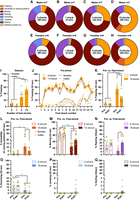
Behavioral profiles of male and female rats during the battery of foot shocks in Context A in Experiment 1. Data are presented as mean or mean + SEM percent time. Eight different behaviors were quantified during the foot shock sessions, with session duration varying by shock condition: 5 min (1 shock), 24 min (4 shocks), or 90 min (0 and 15 shocks). (A–H) Mean percent time spent engaging in each behavior for the 0-shock (A,E), 1-shock (B,F), 4-shock (C,G), or 15-shock (D,H) groups. No significant sex differences were observed (males: A–D; females: E–H). Collapsing data across sexes revealed significant differences between shock groups: (I) Freezing was significantly greater in the 4- and 15-shock groups compared to 0- and 1-shock groups. Individual data points are shown, with open circles representing males and solid triangles representing females. (J) In the 15-shock group, freezing behavior significantly increased as early as the 32 sec window preceding the second shock and remained elevated across most of the shocks, relative to matched timepoints in the 0-shock group. This effect was also independent of sex, with males represented by a dotted black line and females a solid black line. (K) Freezing response was primarily observed during the pre-shock timepoint rather than immediately post-shock. (L–Q) Other nonfreezing behaviors showed differential engagement before and after shock. In the 15-shock group, general movement (M) and rearing (N) increased during post-shock timepoints. Although not statistically significant, darting was observed exclusively post-shock in a few females. (*) P < 0.05.
Collapsed across sex (averages are shown in Supplemental Table S1), significant differences were observed in percent time spent freezing, immobile in a rearing position, moving, rearing, grooming, jumping, and darting [ANOVAs: Fs(3,48) > 17.36, Ps < 0.001; Kruskal–Wallis: X2s > 7.98, Ps < 0.046, df = 3]. No group differences were observed for sleeping behavior [Kruskal–Wallis: X2 = 3, P = 0.392, df = 3], which was observed only in 0-shock males (Fig. 2A). Overall, rats in the 4- and 15-shock groups (i.e., those exposed to the most intense stress) spent significantly more time freezing compared to the 0- and 1-shock groups (Fig. 2I). The 15-shock group also spent significantly less time moving, more time immobile in a rearing position, and more time jumping—behavioral patterns that differentiated them from the 4-shock group (Supplemental Table S1). In contrast, the 1-shock group showed increased rearing, while the 0-shock group engaged more in grooming. Despite these differences, behavioral profiles were more similar between the 4- and 15-shock groups and the 0- and 1-shock groups. Notably, the slight emergence of escape-like behaviors (e.g., darting and jumping) was captured only in the 4- and 15-shock groups. Given that the “intermediate” groups (1- and 4-shock) did not exhibit sex-specific differences and displayed behavioral patterns largely consistent with their adjacent extremes (0- and 15-shock groups), subsequent analyses focused primarily on the comparisons between 0- and 15-shock conditions. These two groups not only demonstrate the most distinct behavioral contrast but also had equivalent session durations and were directly compared in Experiment 2, ensuring consistency across experiments. Data for the 1- and 4-shock groups are still reported in table format to provide a comprehensive overview.
Shifting from session-wide averages, we next assessed how behavior unfolded over time. Figure 2J illustrates the development of freezing behavior across the 15-shock session. Freezing was rapidly induced following the first shock and persisted throughout the session. A linear mixed-effects model analyzing the percent time spent freezing across each of the fifteen 32 sec pre-shock bins (each composed of four 8 sec intervals), or the corresponding timepoints in the 0-shock controls, revealed significant main effects of Group (0 vs. 15) [F(1,21.44) = 51.36, P < 0.001], Shock bin (1–15) [F(14,52.25) = 8.60, P < 0.001], and a Group × Shock bin interaction [F(14,52.25) = 7.97, P < 0.001], with no effect of Sex [F(1,21.44) = 0.02, P = 0.891]. Bonferroni-corrected pairwise comparisons confirmed that 15-shock group froze significantly more than controls at nearly all pre-shock bins (Ps < 0.05) except at pre-shock bin 13 (P = 0.071) and pre-shock bin 15 (P = 0.269). Freezing behavior was most pronounced during pre-shock intervals and declined post-shock (Fig. 2K). A separate linear mixed model comparing average freezing across all pre- and post-shock timepoints showed significant main effects of Group (0 vs. 15) [F(1,22) = 38.14, P < 0.001], Timepoint (pre- vs. post-), [Fs(1,22) = 37.38, P < 0.001], and a Group × Timepoint interaction [F(1,22) = 26.01, P < 0.001], with no effect of Sex [F(1,22) = 0.02, P = 0.895]. The 15-shock group froze significantly more than controls at both the pre- (P < 0.001) and post-shock (P = 0.002) timepoints, but only the 15-shock group demonstrated a significant reduction in freezing from pre- to post-shock (P < 0.001); no such change was observed in controls (P = 0.481). Parallel analyses of all other behaviors (i.e., nonfreezing) using linear mixed models revealed significant increases in moving (Fig. 2M) [effect of Timepoint: F(1,44) = 10.59, P = 0.002; Group × Timepoint interaction: F(1,44) = 15.72, P < 0.001] and rearing (Fig. 2N) [effect of Timepoint: F(1,22) = 17.01, P < .001; Group × Timepoint interaction: F(1,22) = 7.78, P = 0.011] from pre- to post-shock in the 15-shock group (P < 0.001). Despite these increases, moving remained more prominent in controls [effect of Group: F(1,44) = 87.49, P < 0.001] and overall rearing did not differ significantly between groups [effect of Group: F(1,22) = 1.426, P = 0.245]. Immobility in a rearing position was also elevated in the 15-shock group relative to controls (Fig. 2L) [effect of Group: F(1,22) = 5.49, P = 0.029; Group × Timepoint interaction: F(1,22) = 4.78, P = 0.040], driven by a significant pre-shock group difference (P = 0.026) that was not present post-shock (P = 0.094). Only the 15-shock group showed a significant decrease from pre- to post-shock (P = 0.007); no change was observed in controls (P = 0.902). Meanwhile, consistent with previous findings, control rats groomed more overall (Fig. 2O) [effect of Group: F(1,22) = 15.92, P < 0.001], with no change across timepoints [effect of Timepoint: F(1,22) = 0.15, P = 0.704]. Although not statistically significant and mostly sporadic, the noteworthy occurrences of jumping (Fig. 2P) [effect of Group: F(1,44) = 2.63, P = 0.112; effect of Timepoint: F(1,44) = 2.63, P = 0.112] and darting (Fig. 2Q) [effect of Group: F(1,44) = 2.54, P = 0.118; effect of Timepoint: F(1,44) = 2.54, P = 0.118] were exclusively recorded during the post-shock period and particularly within the 15-shock groups. Darting was only observed among 15-shock females. Finally, there were no significant effects of Sex on any of the nonfreezing behaviors when assessing pre- versus post-shock differences (see Supplemental Table S2); and the 1- and 4-shock pre- and post-shock patterns resembled those observed in the extreme 0- and 15-shock groups, respectively (see Table 1).
Behavior pre- and post-0, 1, 4 and 15 foot shocks in Context A in Experiment 1
Single foot shock in Context B
A linear mixed-effects model revealed that rats with a history of trauma—defined as prior exposure to 15 foot shocks in Context A—showed a significantly greater freezing response to a single foot shock (i.e., a mild stressor) in Context B on experimental Day 4, compared to 0-shock controls experiencing shock for the first time (Fig. 3A) [effect of Group: F(1,31.104) = 5.41, P = 0.027]. Unlike the extended shock exposure on Day 3 (15 foot shocks over 90 min), this brief exposure in a different context revealed a significant increase in freezing from pre- to post-shock [effect of Timepoint: F(1,31.104) = 22.29, P < 0.001]. The increase was not exclusive to the trauma group [Group × Timepoint interaction: F(1,31.104) = 1.27, P = 0.268] and was overall independent of sex [effect of Sex: F(1,31.104) = 0.19, P = 0.665]. Comparable responses were observed among the 1- and 4-shock groups, and their engagement levels in all other behaviors were quantified (see Table 2).

Freezing response in Context B. Data are presented as mean + SEM percent time in Experiment 1. Sexes are collapsed due to the absence of significant sex differences but are represented by individual data points (open circles = males; solid triangles = females). (A) During the 5 min single shock session in Context B, rats in the 15-shock group exhibited significantly greater freezing behavior compared to the 0-shock controls. Regardless of shock group, all rats displayed a significant increase in freezing behavior at the post-shock timepoint (32 sec window, four samplings) compared to the pre-shock timepoint (32 sec window, four samplings). (B) When re-exposed to Context B during the 12 min stress-enhanced fear learning (SEFL) tests, Test 1 (left panel) conducted 24 h later and Test 2 (right panel) conducted 30 days later, the 4- and 15-shock groups exhibited heightened freezing behavior relative to 0- and 1-shock groups. These shock group differences persisted despite an overall reduction in freezing behavior from Test 1 to 2. (*) P < 0.05.
Behavior pre- and post- a single shock in Context B for all shock groups in Experiment 1.
SEFL Tests 1 and 2
Upon re-exposure to Context B 24 h later (experimental Day 5), rats with a history of trauma—in this case including the 4-shock group—demonstrated a heightened freezing response to the mild stressor context, compared to the 0- and 1-shock groups (Fig. 3B, left panel). A linear mixed-effects model with Test Day (24 h vs. 30 days) as the repeated measure revealed a significant main effect of Group [effect of Group: F(3,44) = 8.76, P < 0.001]. Although overall freezing levels declined by Test 2 (Fig. 3B, right panel) [effect of Test Day: F(1,44) = 4.07, P = 0.050], group differences persisted and were independent of sex [effect of Sex: F(1,244) = 0.00, P = 0.992]. This analysis included the intermediate shock groups (1- and 4-shock) to determine whether the length of “incubation period” (24 h vs. 30 days) differentially influenced behavior across all levels of prior shock exposure in both males and females. For group- and sex-specific averages of freezing and other behaviors, see Table 3 (Test 1) and Table 4 (Test 2).
Behavioral repertoire across SEFL 24 h Test in Experiment 1
Behavioral repertoire across SEFL 30+ days Test in Experiment 1
Experiment 2: Assessing the effect of estrous cycle phase in stress-induced behavioral changes
Battery of foot shocks in Context A
In Experiment 2, we assessed SEFL in Context B among female rats previously exposed to either 0 or 15 foot shocks in Context A. Estrous cycle
phase was classified based on the phase present during initial conditioning in Context A on Day 3 (Fig. 1). As shown in Figure 4, behavior during the conditioning session varied by estrous cycle phase, with distinct patterns observed between rats in
metestrus-diestrus (M-D) and proestrus-estrus (P-E) phases (Fig. 4A–D). In the 0-shock control groups (Fig. 4A,C), M-D rats spent significantly more time moving (M-D:  = 64.8%; P-E:
  = 58.5%) and less time grooming (M-D:
  = 9.4%; P-E:
  = 12.8%) than P-E rats [ANOVAs: Fs(1,22) > 4.47, Ps < 0.046]. No significant cycle phase differences were observed for freezing, immobility in a rearing position, or rearing
[ANOVAs: Fs(1,22) < 1.09, Ps > 0.308], and no instances of jumping or darting were recorded. In the 15-shock groups (Fig. 4B,D), M-D rats spent significantly less time moving (M-D:
= 12.8%) than P-E rats [ANOVAs: Fs(1,22) > 4.47, Ps < 0.046]. No significant cycle phase differences were observed for freezing, immobility in a rearing position, or rearing
[ANOVAs: Fs(1,22) < 1.09, Ps > 0.308], and no instances of jumping or darting were recorded. In the 15-shock groups (Fig. 4B,D), M-D rats spent significantly less time moving (M-D:  = 25.1%; P-E:
  = 36.9%) and more time immobile in a rearing position (M-D:
  = 16%; P-E:
  = 4.3%) than P-E rats [ANOVAs: Fs(1,22) > 4.81, Ps < 0.039]. No significant cycle phase differences were observed for freezing, rearing, grooming, jumping, or darting [ANOVAs:
Fs(1,22) < 3.08, Ps > 0.093].
= 4.3%) than P-E rats [ANOVAs: Fs(1,22) > 4.81, Ps < 0.039]. No significant cycle phase differences were observed for freezing, rearing, grooming, jumping, or darting [ANOVAs:
Fs(1,22) < 3.08, Ps > 0.093].
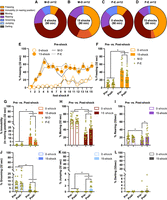
Female behavioral profiles during the battery of foot shocks in Context A across metestrus-diestrus (M-D) and proestrus-estrus (P-E) phases of the estrous cycle. Data are presented as mean or mean + SEM percent time. Eight behaviors were quantified during the 90 min sessions involving either 15 foot shocks (“trauma” experience) or no shocks. Panels A and C show the 0-shock control groups, while panels B and D show the 15-shock groups. Significant estrous cycle phase differences were observed. Among the 0-shock controls (A,C), females in the M-D phases (A) spent significantly more time moving but less time grooming compared to females in the P-E phases (C). In the 15-shock groups (B,D), females in the M-D phases (B) spent less time moving and more time immobile in rearing position compared to P-E females (D). Shock group differences (0 vs. 15 shocks) were consistent with patterns observed in Experiment 1, except for rearing and darting behavior. P-E rats exposed to 15 shocks engaged in less rearing behavior than their 0-shock counterparts (also see I). Although darting was also rare in Experiment 2, it occurred predominantly in P-E phase rats subjected to 15 shocks compared to P-E 0-shock controls (also see L), differences not evident in M-D rats. (E) Independent of estrous cycle phase (black dotted line = P-E; black solid line = M-D), a single foot shock elicited a significantly enhanced freezing response in the shock groups, compared to controls. (F) Similar to Experiment 1, significantly more freezing behavior was observed at the pre-shock timepoint compared to post-shock. Panels G–L depict other behaviors, highlighting differential engagement before and after shock. Within the 15-shock group, a notable increase was observed in (H) general movement, (I) rearing, and (K) jumping during post-shock timepoints. The only significant main effects or interactions involving cycle phase were observed for moving and immobility in a rearing position: 15-shock P-E rats (see H, open circles) exhibited significantly more movement overall compared to 15-shock M-D rats, while 15-shock M-D rats engaged more in immobility in a rearing position (see G, solid triangles). (*) P < 0.05.
Regardless of estrous cycle phase (M-D or P-E), behavioral differences between the 0- and 15-shock groups were consistent across most measures, except rearing and darting. The slight emergence of darting appeared to be specifically influenced by the combination of trauma and the P-E phases. Both M-D rats (Fig. 4B) and P-E rats (Fig. 4D) exposed to 15 shocks spent significantly more time freezing, immobile in a rearing position, and jumping compared to their phase-matched 0-shock controls (MD: Fig. 4A; P-E: Fig. 4C) [ANOVAs: Fs(1,22) > 60.86, Ps < 0.001; Mann–Whitney Us: Us > 102, Ps < 0.015]. They also spent less time moving and grooming [ANOVAs: Fs(1,22) > 24.19, Ps < 0.001; Mann–Whitney U: U = 0.000, P < 0.001]. However, rearing and darting differed between shock and no-shock conditions only in the P-E rats. Those exposed to 15 shocks reared significantly less [ANOVA: F(1,22) = 8.87, P = 0.007] and darted more [Mann–Whitney U: U = 96.00, P = 0.033] than their 0-shock counterparts. These effects were not observed in M-D rats, which showed no significant differences in either behavior across shock conditions [Mann–Whitney U: Us < 80, Ps > 0.515].
As in Experiment 1, freezing remained the predominant behavioral response during the conditioning session in Context A. A linear mixed-effects model analyzing freezing during each 32 sec pre-shock bin showed that a single shock was sufficient to elicit this response (Fig. 4E) [effect showed that freezing began after the first shock (Fig. 4E) of Shock bin: F(14,126.506) = 20.12, P < 0.001], which was sustained across subsequent shocks. This pattern significantly differed between trauma-exposed rats (i.e., 15-shock) and controls [effect of Group: F(1,157.796) = 130.30, P < 0.001; Group × Shock bin interaction: F(14,126.506) = 10.51, P < 0.001], with no effect of Estrous cycle phase [F(1,157.796) = 0.21, P = 0.647]. Consistent with this, and also independent of Cycle phase [F(1,44) = 0.90, P = 0.348], freezing remained significantly elevated in the 15-shock group relative to controls at both pre- and post-shock timepoints (Fig. 4F) [effect of Group: F(1,44) = 74.19, P < 0.001; effect of Timepoint: F(1,44) = 17.19, P < 0.001; Group × Timepoint interaction: F(1,44) = 21.45, P < 0.001]. A significant decrease in freezing from pre- to post-shock was observed in the 15-shock group (P < 0.001), but not in the controls (P = 0.733). Parallel analyses of all other non-freezing behaviors revealed that 15-shock rats showed significant increases in post-shock moving (Fig. 4H) [effect of Timepoint: F(1,44) = 11.61, P = 0.001; Group × Timepoint interaction: F(1,44) = 23.74, P < 0.001], rearing (Fig. 4I) [effect of Timepoint: F(1,44) = 10.25, P = 0.003; Group × Timepoint interaction: F(1,44) = 12.82, P < 0.001], and jumping (Fig. 4K) [effect of Timepoint: F(1,88) = 13.45, P < 0.001; Group × Timepoint interaction: F(1,88) = 10.71, P = 0.002]. Despite these increases, moving remained more prominent in controls overall [effect of Group: F(1,44) = 63.69, P < 0.001], as did rearing, but only at the pre-shock timepoint [effect of Group: F(1,44) = 0.62, P = 0.805; Group × Timepoint interaction: F(1,44) = 12.82, P < 0.001; Pre: P = 0.018]. In contrast, although jumping was infrequent, it was significantly higher in the 15-shock group [effect of Group: F(1,88) = 10.71, P = 0.002]. Grooming was more common in control rats (Fig. 4J) [effect of Group: F(1,44) = 36.08, P < 0.001], with no change across timepoints [effect of Timepoint: F(1,44) = 0.24, P = 0.625]. However, grooming declined from pre- to post-shock in the 15-shock groups [Group × Timepoint interaction: F(1,44) = 7.78, P = 0.008; 15-shock: P = 0.025]. Immobility in a rearing position was also elevated in the 15-shock group (Fig. 4G) [effect of Group: F(1,44) = 17.46, P < 0.001], with a significant reduction post-shock [effect of Timepoint: F(1,44) = 9.6, P = 0.003; Group × Timepoint interaction: F(1,44) = 11.03, P = 0.002]. Darting behavior did not significantly differ between groups or across timepoints (Fig. 4L) [effect of Group: F(1,44) = 0.52, P = 0.474; effect of Timepoint: F(1,44) = 1.57, P = 0.216], though it remained most prevalent in the 15-shock groups, consistent with findings from Experiment 1. Most nonfreezing behaviors did not differ by estrous cycle phase (see Supplemental Table S3). However, a significant main effect of Cycle phase [F(1,44) = 4.15, P = 0.048] was observed for immobility in a rearing position, with M-D rats in the 15-shock group spending more time immobile than P-E rats (P < 0.001) [Cycle phase × Group interaction: F(1,44) = 4.62, P = 0.037]. Additionally, a significant Cycle phase × Group interaction for moving [F(1,44) = 6.62, P = 0.014] revealed reduced movement in 15-shock M-D rats compared to P-E rats (P = 0.026). Both findings are consistent with the increased immobility and reduced movement observed in M-D rats across the 90 min session averages reported above; thus, analyzing the data by pre- versus post-shock timepoints did not reveal any additional cycle phase influence on behavior. Supplemental Table S4 reports the average percent time spent in each behavior, pre- and post-exposure to 15 foot shocks or no shocks in Context A, separated by estrous cycle phase (M-D and P-E).
Single foot shock in Context B
Aligned with Experiment 1, a linear mixed-effects model confirmed that freezing in response to a single foot shock in Context B on Day 4 was significantly elevated in female rats with a history of trauma compared to controls (see Fig. 5A) [effect of Group: F(1,44) = 16.01, P < 0.001]. Freezing also increased significantly from pre- to post-shock [effect of Timepoint: F(1,44) = 9.13, P = 0.004] with no significant Group × Timepoint interaction [F(1,44) = 1.59, P = 0.215]. However, although estrous cycle phase on the day of trauma (Day 3) showed no main effect [F(1,44) = 0.83, P = 0.368], it significantly interacted with Timepoint [Cycle phase × Timepoint: F(1,44) = 9.13, P = 0.004]. Post hoc analyses revealed a significant pre- to post-shock increase in freezing among M-D rats (P < 0.001), but not in P-E rats (P = 1.00). M-D rats also froze significantly more than P-E rats post-shock (P = 0.014), but not pre-shock (P = 0.305). These findings suggest that estrous cycle phase at the time of trauma influenced later responses to a mild stressor in a different context (Context B), with M-D rats exhibiting elevated post-shock freezing, consistent with patterns observed in both males and female in Experiment 1, while P-E rats deviated from this pre- to post-shock response. Notably, these differences emerged regardless of prior shock exposure, suggesting that factors beyond the cycle phase at conditioning—possibly the subsequent and current phase—may have contributed to these effects.
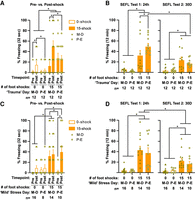
Freezing response in Context B in Experiment 2. Data are presented as mean + SEM percent time. The x-axes indicate the estrous cycle phase classification at the time of trauma or no trauma exposure in Context A on experimental Day 3 (A,B), or at the time of mild stress exposure on Day 4 (C,D). Individual data points represent the estrous phases: M-D = solid triangles, P-E = open circles. (A) During the 5 min single shock session in Context B, rats in the 15-shock group exhibited significantly greater freezing than those in the 0-shock control group. Regardless of shock group, freezing increased from the pre- to post-shock timepoint (each consisting of 32 sec windows averaged across four samplings). However, an interaction between Day 3 estrous cycle phase and timepoint revealed that P-E rats (open circles) deviate from this pattern, showing no significant change in freezing behavior from pre- to post-shock. (B) During the 12 min SEFL Test 1 (left panel) and Test 2 (right panel), both conducted in Context B, the 15-shock groups showed elevated freezing compared to 0-shock controls. These differences persisted despite an overall reduction in freezing behavior from Test 1 to Test 2. An interaction between cycle phase, shock group, and test day indicated that this reduction in the 15-shock group was driven by P-E females (open circles). Additionally, a cycle phase difference (M-D vs. P-E) was apparent only at Test 1 (24 h test day), with P-E rats freezing significantly more than M-D within the shock group. (C) Reclassifying cycle phase based on Day 4 (the day of single shock) revealed similar main effects as in A. However, a significant cycle phase, group, and timepoint interaction emerged: P-E rats in the 15-shock group showed a significant increase from pre- to post-shock, whereas M-D rats did not, regardless of shock history. (D) When using Day 4 mild stress classifications, no effect of cycle phase was observed during the SEFL tests. Rats in the 15-shock group froze more than controls across both test days, and freezing significantly decreased from Test 1 to Test 2. (*) P < 0.05.
To further explore the cause of the pre- to post-shock increase in freezing in the M-D control rats, we evaluated the impact of the estrous cycle phase at the time of the Context B single shock on Day 4 (see Fig. 5C). This alternative classification revealed similar main effects [effect of Group: F(1,44) = 13.41, P < 0.001; effect of Timepoint: F(1,44) = 8.96, P = 0.005; effect of Cycle phase: F(1,44) = 0.67, P = 0.417], but also revealed a significant Cycle phase × Group × Timepoint interaction [F(1,44) = 5.04, P = 0.030]. Post hoc comparisons indicated that rats in the M-D phases on Day 4 did not exhibit a pre- to post-shock increase in freezing, regardless of shock history (15 shocks: P = 0.657; 0 shocks: P = 0.216). In contrast, P-E rats in the 15-shock group showed a significant increase in freezing from pre- to post-shock (P < 0.001); no such change was observed in their P-E controls (P = 0.769). Among the 15-shock rats, M-D and P-E groups differed at the pre-shock timepoint (P = 0.001), with M-D rats freezing significantly more. This difference disappeared post-shock (P = 0.709), suggesting that M-D rats were already at elevated freezing levels, whereas P-E rats reached these levels only post-shock. Notably, 15-shock M-D rats also froze significantly more than their M-D controls at both pre-(P < 0.001) and post-shock (P = 0.012) timepoints. In contrast, the P-E 0- and 15-shock groups only differed post-shock (P = 0.024), having shown similar freezing levels pre-shock (P = 0.709). Importantly, over half of the rats transitioned to a different estrous cycle phases between Day 3 and Day 4, meaning that each Day 4 classification included rats previously assigned to the opposite phase. This overlap may explain some of the apparent shifts in cycle phase influence on pre- to post-shock freezing observed with Day 4 classifications compared to those based on Day 3. Still, these results highlight the role of estrous cycle phase in shaping stress responses and its interaction with prior trauma exposure. See Supplemental Table S5 for nonfreezing behaviors during the single shock session in Context B, grouped by Day 3 cycle phase (M-D vs. P-E).
SEFL Tests 1 and 2
During the initial SEFL test in Context B (Test 1, 24 h following mild stressor exposure), a linear mixed-effects model revealed
that rats with a history of trauma exhibited a significantly enhanced learned freezing response compared to controls (Fig. 5B, left panel) [effect of Group: F(1,44) = 46.84, P < 0.001]). Upon retesting 30 days later (SEFL Test 2), freezing declined significantly in the 15-shock group (Fig. 5B, right panel) [effect of Test Day: F(1,44) = 14.91, P < 0.001; Group × Test Day interaction: F(1,44) = 14.79, P < 0.001], but remained unchanged in controls (P = 0.991). Despite this reduction, group differences between 0- and 15-shock rats persisted across both test days (Test 1:
P < 0.001; Test 2: P < 0.001). Estrous cycle phase showed no overall main effect [F(1,44) = 0.28, P = 0.603], but a significant Cycle phase × Group × Test Day interaction emerged [F(1,44) = 7.09, P = 0.011]. Post hoc comparisons confirmed that the 15-shock group froze significantly more than controls independent of cycle
phase and test day (SEFL T1: M-D [P = 0.002], P-E [P < 0.001]; SEFL T2: M-D [P < 0.001], P-E [P = 0.015]). Interestingly, however, the reduction in freezing from Test 1 to Test 2 was only significant in 15-shock rats
in the P-E phases (P = 0.040), and not in M-D (P = 0.112), or in 0-shock rats in either phase (M-D: P = 0.662; P-E: P = 0.673). Cycle phase differences (M-D vs. P-E) were only significant within the 15-shock group during SEFL Test 1 (P = 0.040), with P-E rats freezing more (P-E:  = 49.2%, M-D:
  = 32.1%). No significant cycle differences were found among controls at either test day (Test 1: P = 0.667; Test 2: P = 0.802), nor within 15-shock group at Test 2 (P = 0.170). Refer to Supplemental Tables S6 and S7 for group- and cycle-based data on nonfreezing behaviors.
Given that the impact of the estrous cycle phase on shock-induced freezing varied depending on whether classification reflected the past phase during trauma exposure (Day 3) or the current phase during the mild stressor (Day 4), we assessed whether Day 4 cycle phase better predicted freezing during these subsequent SEFL tests (Fig. 5D). A linear mixed model revealed significant effects of Group [F(1,44) = 41.90, P < 0.001], Test Day [F(1,44) = 10.98, P = 0.002], and a Group × Test Day interaction [F(1,44) = 11.45, P = 0.002]. Rats in the 15-shock group froze significantly more than controls across both test days, although freezing declined from Test 1 to 2. However, there was no effect of Cycle phase [F(1,44) = 0.47, P = 0.498]. These results further highlight that estrous cycle phase at the time of trauma (Day 3) uniquely captures different sensitivities to the SEFL effect in females, but is no longer detectable by the 30 day test. Analyses based on cycle phase at the time of SEFL testing were not conducted due to highly skewed group distributions (SEFL Test 1: 0-shock M-D [n = 22], 0-shock P-E [n = 2], 15-shock M-D [n = 20], 15-shock P-E [n = 4]; SEFL Test 2: 0-shock M-D [n = 19], 0-shock P-E [n = 5], 15-shock M-D [n = 20], 15-shock P-E [n = 4]). Notably, all 15-shock rats initially classified as P-E at the time of trauma had transitioned to M-D by the time of SEFL testing.
Discussion
The current experiments characterized the behavioral profiles of adult male and female Long-Evans rats across the SEFL procedure and evaluated whether the phase of the estrous cycle during which female rats experienced trauma influences SEFL. We found no significant sex differences in the time spent engaging in various behaviors in response to a single traumatic event where rats were exposed to either 0 (i.e., no trauma), 1, 4, or 15 foot shocks in one context (Context A), a mild stressor (single foot shock) in a different context (Context B), or upon re-exposure to Context B (SEFL test). As expected with freezing behavior, and now considering the full range of responses, we observed that the magnitude of behavioral engagement varied with the number of foot shocks received in Context A. The control and 1-shock groups exhibited similar behavioral profiles to each other, as did the 4- and 15-shock groups. However, the extreme 15-shock group alone displayed higher levels of immobility in a rearing position and more pronounced escape-like behaviors on the day of exposure to the battery of foot shocks in Context A, with jumping and darting—though generally infrequent—becoming especially evident at the post-shock timepoints. Finally, these results confirm that four shocks are sufficient to induce SEFL, a conclusion now clearly supported in both sexes.
We also explored the impact of the estrous cycle on the behavior of females undergoing SEFL. On the day of exposure to 0 (no trauma) or 15 foot shocks (trauma) in Context A, there were no significant differences in freezing behavior across cycle phases. However, females in the metestrus-diestrus (M-D) phases exhibited increased immobility in a rearing position, while those in proestrus-estrus (P-E) showed greater movement in response to the shocks. Consistent with findings from Experiment 1, where we focused solely on sex comparisons without the potential disruption of cycle monitoring, rats with a history of trauma displayed an enhanced freezing response when later exposed to a mild stressor in a different context (Context B). In Experiment 2, however, pre-shock to post-shock freezing responses varied by estrous cycle phase, suggesting that hormonal state (in this case indirectly determined by vaginal cytology) during trauma and/or during subsequent mild stress exposure, in combination with trauma history, may influence generalization of fear, baseline freezing levels, or an enhanced fear response. SEFL was evident when 15-shock females were re-exposed to Context B 24 h and 30 days later. Notably, estrous cycle phase at the time of trauma influenced SEFL expression: 15-shock females in the P-E phases exhibited a significantly greater freezing response compared to 15-shock M-D females, but only during SEFL Test 1 (24 h timepoint). On the other hand, the general reduction from SEFL Test 1 to 2 (also observe in Experiment 1), was primarily driven by P-E rats. This suggests that P-E females at the time of trauma may show a more robust SEFL effect when tested soon after the single shock in Context B, but this effect did not persist to the 30 day test. Analyses using alternative cycle classifications, such as phase on the day of the mild stressor, did not reveal any cycle-related influence on freezing behavior, further emphasizing the unique predictive value of trauma-day classification. Of course, the 30 day test is a second exposure, so extinction from the first test may weaken freezing on the second test (Stafford and Lattal 2009). It will be important to evaluate the persistence of SEFL under different testing conditions in future work.
Ultimately, similar to Poulos et al. (2015), we did not observe a sex-dependent influence on freezing behavior across the SEFL procedure. Our findings extend those of Poulos et al. (2015) to different conditioning and testing conditions (running both sexes simultaneously, testing during the dark phase of their reversed light: dark cycle, pre-exposing rats to both Context A and B, and delivering a varying number of foot shocks in Context A). We also quantified a range of behaviors and found that the basic SEFL effect was most apparent in freezing behavior. We attempted to minimize generalization between the two contexts by pre-exposing animals to both contexts before conditioning because there is some evidence that males and females may process contexts differently and show differences in contextual generalization (Fanselow 1990; Wiltgen et al. 2001; Trott et al. 2022; Derman and Lattal 2024).
Importantly, the absence of sex differences does not imply that the effects of trauma are the same across sexes. In fact, studies suggest otherwise; a history of trauma through a similar approach affects future reward learning differently in male and female rats (Gonzalez et al. 2021; Derman and Lattal 2022, 2024). Moreover, there is evidence to suggests that the amount of time between the initial trauma and subsequent fear learning can influence enhanced fear responses differently between sexes, with the effect potentially being shorter-lasting in females (Cole and Parsons 2023; Vazquez et al. 2024). Likewise, the developmental trajectories of males and females, combined with these distinct fear “incubation” periods, can significantly influence the magnitude of fear responses (Colon et al. 2018).
We observed only a small, nonsignificant occurrence of escape-like behaviors, consistent with findings from a previous study using the same SEFL conditions (Gonzalez et al. 2021). Although evidence suggests that females may exhibit increased escape-like behavior (Gruene et al. 2015), our findings of minimal darting are consistent with other work showing that darting may not occur in conditions such as ours, with smaller chambers that allow less movement, with unsignaled shocks, and with higher intensity shocks (Mitchell et al. 2022). Notably, certain combinations of stimuli and environment configurations can potentially reveal estrous cycle differences in these escape-like behaviors (Pyeon et al. 2023). Finally, it is important to highlight that although we distinguished between freezing (with all four paws on the floor) and immobility in a rearing position, the latter of which was more robustly expressed in the extreme 15-shock group, this distinction did not reveal significant sex differences. However, it did suggest potential cycle effects, with the rats in M-D phases being more likely to engage in this behavior during trauma. In contrast, past studies likely grouped these different postures under general freezing behavior (Bolles and Collier 1976), so further work on these less characterized behaviors is needed.
In terms of quantifying freezing behavior as a measure of fear, some studies have identified estrous cycle-dependent differences in contextual fear conditioning in female rats (e.g., Cushman et al. 2014). Specifically, lower levels of freezing are observed during the P-E phases, when estradiol (E2) levels are elevated (for review, see Bauer 2022). However, others have reported no significant influence of the estrous cycle (Keiser et al. 2016; Trott et al. 2022), although these findings are from mice and smaller populations of rats. In our experiments, we focused on the effect of the estrous cycle at the time of trauma, based on evidence that ovarian cycle phase during stressor exposure and subsequent conditioning may shape behavioral outcomes (Wood et al. 2001). Our hypotheses were not fully supported by freezing behavior across the SEFL paradigm. P-E rats showed a more pronounced, but less persistent SEFL effect. We also observed complex cycle-dependent differences in freezing during the mild stressor in Context B, when rats were classified by either their cycle on trauma day or current cycle phase. These differences may reflect increased anxiety-like responding in M-D rats (for review, see Lovick and Zangrossi 2021; Pestana and Graham 2024) or the possibility that being in the same or a different cycle phase can serve as an interoceptive cue for rats with prior trauma exposure (Blair et al. 2022). What became clearer during the SEFL tests is that, although most rats (>80%) were tested in M-D phases, those initially classified as P-E at the time of trauma showed greater freezing. Notably, these P-E rats did not differ from M-D rats in freezing during trauma exposure and showed similar or lower levels during the mild stressor. This emphasizes that “hormonal state” at the time of trauma may shape later vulnerability to fear sensitization, though this effect disappeared by the 30 day timepoint, where P-E rats showed greater reduction in freezing across sessions. Overall, our experiment is the first to thoroughly monitor the estrous cycle of adult female Long-Evans rats across the Rau et al. (2005) SEFL procedure. Because the rats were naturally cycling, the distribution of estrous cycle phases across behavioral testing days was uneven, limiting our ability to analyze effects based on current cycle phases at the time of SEFL testing. While vaginal cytology offers a relatively noninvasive method to track the estrous cycle, it does not directly measure the real-time hormone levels influencing behavior (for reviews, see Becker et al. 2005; Raimondi et al. 2024). In Experiment 1, we chose to start by comparing sexes without tracking cycle phase, and in Experiment 2, we added the lavage method to reduce additional stressors that could confound behavior. This progression allowed us to better characterize female behavioral responses during SEFL. Future studies would benefit from incorporating direct hormone measurements to more precisely assess the relationship between hormonal state and behavior. Current literature suggests that the most robust effects of ovarian hormones are captured in fear extinction learning (see Bauer 2022), as well as when experimentally manipulating hormone levels (e.g., Milad et al. 2009), both of which would also be valuable next steps.
In conclusion, our evaluation of sex and estrous cycle differences in stress-induced behaviors during the SEFL procedure confirmed the presence of the SEFL effect in females, with no significant sex difference. We also validated freezing behavior as the most predominantly affected response under the conditions outlined by Rau et al. (2005) for both males and females. Notably, our findings offer a thorough overview of the behaviors observed in adult male and female rats throughout the procedure, establishing a strong basis for future research. Additionally, we emphasized that the estrous cycle in females is not merely a background factor in SEFL; it plays a significant role that warrants further exploration and may become more significant under different conditions. Finally, it is important to consider that the selection of SEFL-based or other stress-inducing procedures should be tailored to the specific questions of interest, such as investigating sex differences, as these different approaches may reveal different long-term effects of stress (Giovanniello et al. 2023; Shansky 2024).
Materials and Methods
Subjects
One hundred Long-Evans rats were used in two experiments. Experiment 1 included 28 males and 24 females, while Experiment 2 included 48 females. The rats were obtained from Charles River Laboratories in Wilmington, MA (Area: H43) and were introduced into a vivarium located within Oregon Health & Science University's Medical Research Building. Upon arrival, the rats weighed between 225 and 300 g and were 8–10 weeks old. They were pair-housed with the same sex and allowed a 7 day acclimation period to their new environment. The housing conditions were maintained at a temperature of 22°C ± 1°C, humidity at 70%, and a consistent 12:12 h dark:light cycle (7:00 a.m./7:00 p.m.; all experiments were conducted during the dark cycle). Throughout the study's duration, the rats were provided ad libitum access to food and water. To minimize stress and ensure consistency in experimental conditions, all rats were habituated to the experimenter's handling in the housing room for at least 5 consecutive days before any experimental procedures were conducted.
Estrous cycle tracking
For Experiment 2, we monitored the estrous cycle of female rats by conducting a single daily vaginal lavage between 9 and 10 a.m., which corresponds to ∼2 h after the onset of their dark cycle. Tracking began at least 8 days before the start of any behavioral procedure, enough time to capture approximately two full cycles, and continued daily throughout 5 days of behavioral testing. Lavage was conducted ∼10 min before each behavioral session. After a 26 day pause, tracking resumed 4 days (approximately one cycle) prior to the last behavioral test (see experimental timeline, Fig. 1). The lavage procedure involved gently irrigating the vaginal cavity with a glass dropper that had a capacity of 1 mL and a length of 70 mm, filled with 0.9% sterile saline solution. The extracted fluid sample was carefully deposited into a well (of a 12 well plate) for cytology characterization under an inverted microscope at 20× magnification, examined wet and unstained (see Becker et al. 2005). To prevent cross-contamination, the dropper was thoroughly rinsed three times with distilled water between each rat and replaced after two to three rats. Estrous cycle stage was determined by the following criteria: (M) metestrus—a combination of leukocytes, cornified cells, and round cells; (D) diestrus—predominantly leukocytes with some nucleated epithelial cells; (P) proestrus—mainly nucleated epithelial cells forming sheets; and (E) estrus—large cornified cells lacking nuclei. Additionally, daily weight monitoring was conducted, as rats were anticipated to be at their heaviest during diestrus and their lightest during estrus.
Apparatus
Two distinct sets of Standard Med Associates operant chambers, each housed within sound-attenuating cubicles, were used in two separate behavior rooms illuminated with red light. The chambers differed in dimensions (29.53 × 24.84 × 18.67 cm or 29.53 × 23.5 × 27.31 cm), backdrop pattern (either a black and white horizontal zig zag or black and white varying sizes of circles pattern), the presence or absence of discrete olfactory cues (via a gauze pad infused with Crafter's Choice Clove Leaf EO-Certified 100% Pure 1050 or devoid of such pad), and the inclusion or exclusion of response devices positioned on the internal right wall of the chamber (i.e., a food magazine between two retracted levers) depending on the room. All chambers were equipped with a white house light centered at the top of the internal left wall and flooring consisting of 19 stainless steel rods (0.48 cm diameter, spaced 1.6 cm apart) linked to Med Associates’ scramblers capable of delivering shocks. Additionally, each sound-attenuating cubicle contained a ceiling-mounted camera that allowed for video observation.
Behavioral procedures
Context pre-exposure
On experimental Day 1, rats were placed in one of the two contexts, either Context A or B (counterbalanced across rats), for 12 min with the house light on. The following day, on Day 2, they were introduced to the alternate context, completing their pre-exposure to both contexts.
Battery of foot shocks in Context A
On Day 3, rats were placed in their assigned Context A and subjected to varying numbers of foot shocks, each delivered at an intensity of 1 mA for a duration of 1 sec. These foot shocks were administered according to an average variable-time (VT) schedule of 360 sec, with the first shock occurring at the 292 sec mark for all groups except the controls. The shock groups were defined by the number of shocks received: 0 (Experiment 1: males n = 7, females n = 6; Experiment 2: females n = 24), 1 (Experiment 1: males n = 7, females n = 6), 4 (Experiment 1: males n = 7, females n = 6), or 15 (Experiment 1: males n = 7, females n = 6; Experiment 2: females n = 24). Each session lasted for 5 (1 shock), 24 (4 shocks), or 90 min (0 or 15 shocks). The control group (0-shock) was matched in session duration to the 15-shock group to control for total context exposure when comparing these two extreme conditions both in Experiment 1 and Experiment 2, consistent with prior work (Rau et al. 2005; Rau and Fanselow 2009; Pizzimenti et al. 2017). In contrast, the 1- and 4-shock groups were designed to model more limited shock exposure and remained in the chamber only as long as necessary to receive the scheduled shocks. Comparable control groups matched for session duration were not included for these conditions, as they would not be expected to differ in behavior—at least in terms of freezing—from the 90 min 0-shock control group (Rau and Fanselow 2009). The start and end of each session were marked by the house light turning on and off.
Single foot shock in Context B
On Day 4, 24 h after the varying battery of foot shocks in Context A, all rats were placed in Context B for a 5 min session during which they received a single 1 mA, 1 sec foot shock delivered at 292 sec. The house light also marked the beginning and end of the session within this context.
Stress-enhanced fear learning (SEFL) tests
Following a single foot shock in Context B, all rats underwent a 12 min long context fear test in Context B after a 24 h (Test 1, experimental Day 5) and 30 day (Test 2, experimental Day 34) “incubation” period; the house light turned on at the start of the session and off after 12 min.
Data analysis
Quantification of behavior
To quantify the array of behaviors exhibited in response to a 0, 1, 4, and 15 foot shock experiences, across the SEFL procedure, all sessions were manually scored by the same experimenter, who remained effectively blind to both the shock group assignments (except for the battery of foot shocks in Context A on experimental Day 3) and the estrous cycle phase throughout the entire experiment. Sampling occurred every 8 sec for each session. The scores given for each behavior were as follows: 0 = moving (any movement, including sniffing, head bobbing, and walking), 0.5 = sleeping (lack of movement and in a curled-up position with eyes closed), 1 = freezing (awake but no movement aside from breathing, with all four paws touching the grid floor), 2 = darting (fast horizontal travel across the chamber, initiated from freezing in one location to freezing in the new location), 3 = rearing (front paws off the floor, e.g., in the air or on the walls of the chambers), 3.5 = immobility in a rearing position (no movement aside from breathing, with only the back two paws touching the grid floor), 4 = grooming, or 5 = jumping (fast vertical escape-like behavior).
Statistical analysis
The Statistical Package for the Social Sciences (SPSS) program version 29.0 (IBM) was used to analyze the eight observable behaviors, (1) freezing, (2) immobility in a rearing position, (3) moving, (4) rearing, (5) grooming, (6) jumping, (7) darting, and (8) sleeping, based on Sex or Estrous cycle phase (Metestrus-Diestrus or Proestrus-Estrus) and Group (0, 1, 4, or 15 foot shocks) differences across the four stages of the SEFL procedure, (1) battery of foot shocks in Context A, (2) single foot shock in Context B, (3) 24 h SEFL test 1, and (4) 30 day SEFL test 2. One-way ANOVA tests were performed for the assessment of Sex/Cycle phase and/or Group differences. When dependent variables failed to meet normality (using Levene's test of equality of error based on mean P > 0.05), a transformation of (Log10 [x + 1]) or a nonparametric test was performed; either an independent-samples Mann–Whitney U test or a Kruskal–Wallis one-way ANOVA. Linear mixed-effects models were performed, using the covariance structure that best fit the data with the lowest Akaike's information criterion (AIC), for the assessment of Sex/Cycle phase, Group, and Timepoint (pre- vs. post-shock), or Shock Bin (1–15), or Test Day (24 h vs. 30 days) differences. Overall, statistical significance was set at P < 0.05, and Bonferroni post hoc analyses were conducted when there were significant interactions. All graphical depictions were made using GraphPad Prism 10.
Acknowledgments
This work was supported by National Institutes of Health (NIH) grants K00 DA055493 (S.A.L.-K.) and R01 DA047981 (K.M.L.) and a grant from the Medical Research Foundation of Oregon (K.M.L.).
Author contributions: S.A.L.-K. and K.M.L. designed research and wrote the paper; S.A.L.-K. performed research and analyzed data.
Footnotes
-
[Supplemental material is available for this article.]
-
Article is online at http://www.learnmem.org/cgi/doi/10.1101/lm.054097.125.
-
Freely available online through the Learning & Memory Open Access option.
- Received February 11, 2025.
- Accepted June 20, 2025.
This article, published in Learning & Memory, is available under a Creative Commons License (Attribution-NonCommercial 4.0 International), as described at http://creativecommons.org/licenses/by-nc/4.0/.