Cover image
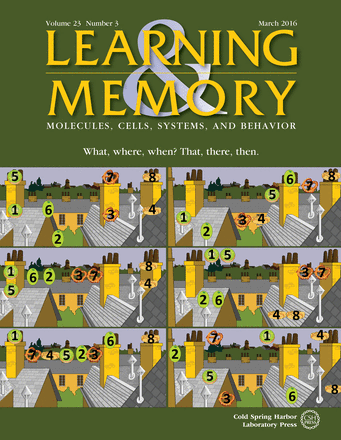
In this issue, Cheke (LearnMem 23: 121–126) describes the “treasure-hunt task,” which requires participants to hide items around a complex scene across two time periods (“days”). The participants must remember what they hid where and on which day. The cover image shows examples of different possible hiding strategies on the treasure-hunt task. Numbers 1–4 indicate items from “day 1” while numbers 5–8 indicate items from “day 2.” (Top left) Example of a what–where–when strategy: there is a clear link between items of the same identity, all the items from day 1 are underneath all the items from day 2 and each item is on a clear landmark. (Top right) Example of a where–when strategy: all items are on clear landmarks and all items from day 1 are on the left and all items from day 2 are on the right, but no link between items of the same identity. (Middle left) Example of a what–where strategy: clear link between items of the same identity, all items on a clear landmark, but no consistent placing of items from the same day. (Middle right) Example of a what–when strategy: clear link between items of the same identity, all items from day 1 on the left of items from day 2, but no evidence of hiding on a clear landmark. (Bottom left) Example of a where strategy: all items on a clear landmark, but no clear link between items of the same identity or from the same day. (Bottom right) Example with no clear strategy.